
 White.png)
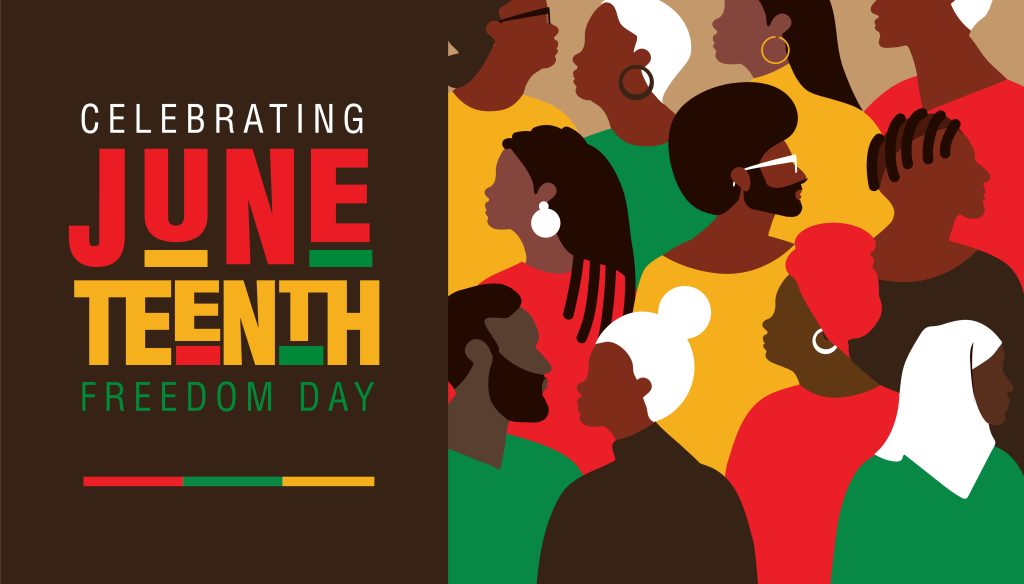
Juneteenth: A Celebration Born From a Delay

BY Kevin Stewart
For millions of Americans, Juneteenth is a day of cookouts, music, family reunions, and community celebrations. But behind the joy is a story that speaks to both freedom and the painful reality that freedom itself was delayed.
On June 19, 1865, more than two years after President Abraham Lincoln issued the Emancipation Proclamation, Union troops arrived in Galveston, Texas, and informed enslaved African Americans that they were free.
For many of the approximately 250,000 enslaved people in Texas, it was the first time they had heard the news.
That moment—now known as Juneteenth—became a day of celebration, remembrance, and reflection. Families gathered, churches held services, and communities organized picnics and festivals. Those traditions would continue through generations, even during periods when the holiday was largely overlooked outside Black communities.
Juneteenth is unique because it doesn't celebrate the signing of a document or the end of a war. It celebrates something more human: the moment people learned they were free.
But the holiday also reminds us that freedom on paper and freedom in practice are not always the same thing.
The end of slavery did not bring immediate equality. Reconstruction, Jim Crow laws, segregation, disenfranchisement, and generations of discrimination followed. Progress often came slowly and unevenly. Yet through it all, communities preserved Juneteenth as a way of remembering both the struggles and the triumphs that shaped the nation.
Today, Juneteenth celebrations can be found across the United States. Parades, concerts, educational programs, historical exhibits, and neighborhood gatherings bring people together to recognize a chapter of history that was once rarely taught in classrooms.
For many families, the holiday is also deeply personal.
Recipes passed down through generations are prepared. Stories about grandparents and great-grandparents are shared. Young people learn where they came from, while older generations reflect on how far the country has come—and how much work remains.
Juneteenth became a federal holiday in 2021, but its significance stretches back more than 160 years. Its roots are not in Washington or politics, but in communities that refused to let history be forgotten.
Perhaps that's what makes Juneteenth so powerful.
It is a reminder that freedom is not merely an event confined to history books. It is something that must be remembered, protected, and extended to future generations.
And every June 19, amid the music, the food, and the celebrations, Americans gather to remember a simple truth that arrived in Texas on a summer day in 1865:
Sometimes freedom comes late.
But when it finally arrives, it is worth celebrating.
Sources & Further Reading
National Museum of African American History and Culture
https://nmaahc.si.edu/explore/stories/historical-legacy-juneteenth
National Archives – Juneteenth and General Order No. 3
https://www.archives.gov/news/topics/juneteenth
Library of Congress – Juneteenth: The Growth of an African American Holiday
https://guides.loc.gov/juneteenth
Smithsonian Magazine – The Historical Legacy of Juneteenth
https://www.smithsonianmag.com/history/historical-legacy-juneteenth-180971945/
History.com – Juneteenth
https://www.history.com/topics/holidays/juneteenth
National Juneteenth Observance Foundation
https://nationaljuneteenth.com/