 White.png)

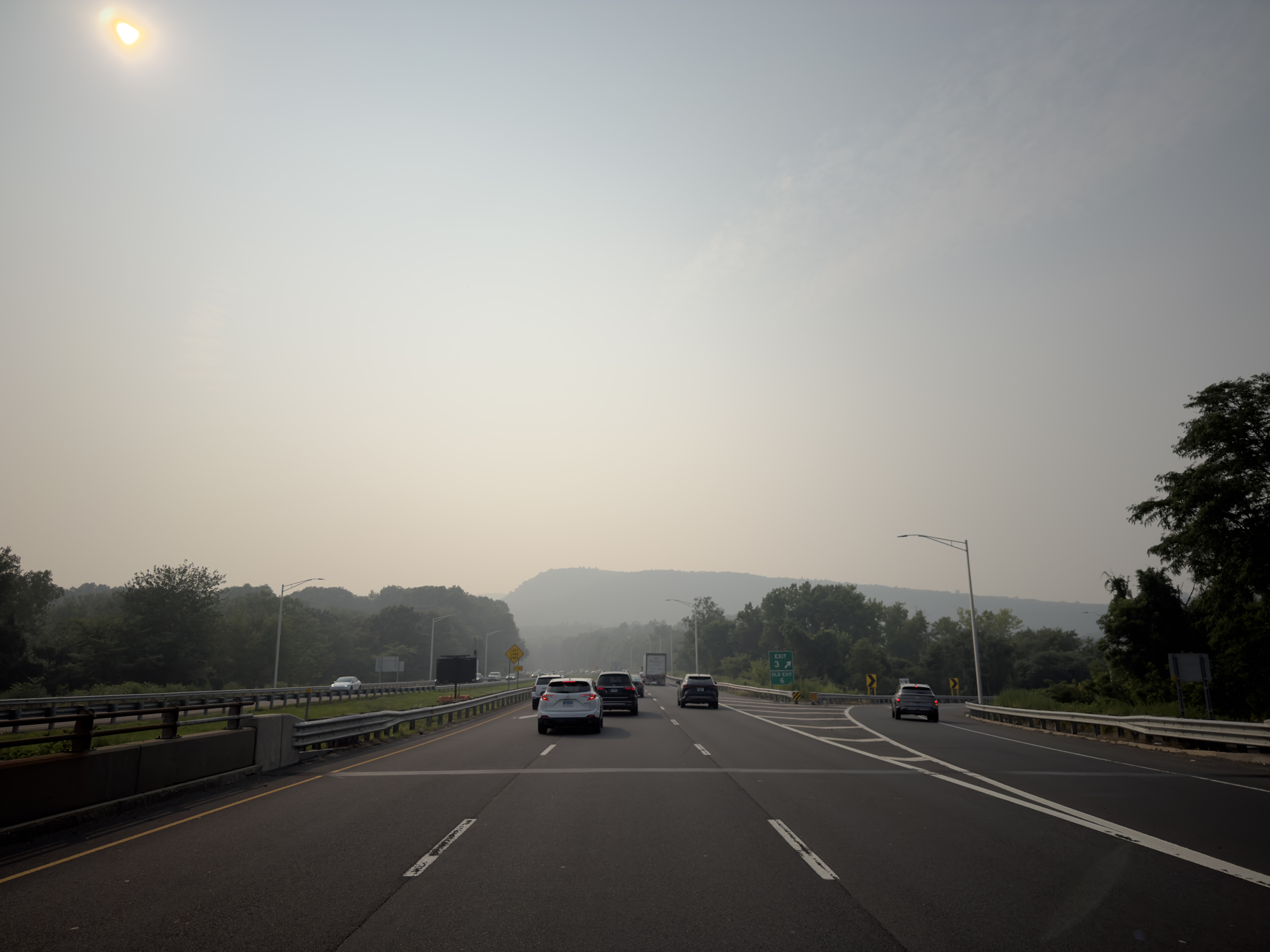
If you looked at the sky recently and noticed something unusual, you’re not alone. In July, the horizon took on a hazy, yellow appearance as smoke from Canadian wildfires drifted across New England. While the skies may be clear for now, we should not forget how it impacted our daily lives.
Smoke reduces air quality, especially for children, older adults, and people with asthma or other respiratory conditions. Aside from having to limit our outside activities in the middle of summer, it was a stark reminder of the climate crisis at hand.
Experts say at least some of the damage could be prevented by better forest management and clearing underbrush.
In Connecticut, environmental science reporter Chris Meyer says he is grateful for air purifiers and N95 masks. The wildfire smoke carries fine particulate matter that can travel hundreds or even thousands of miles, turning what feels like a distant disaster into something you can see and feel. This particulate matter is so small that it can penetrate the body, causing congestion, breathing difficulties.
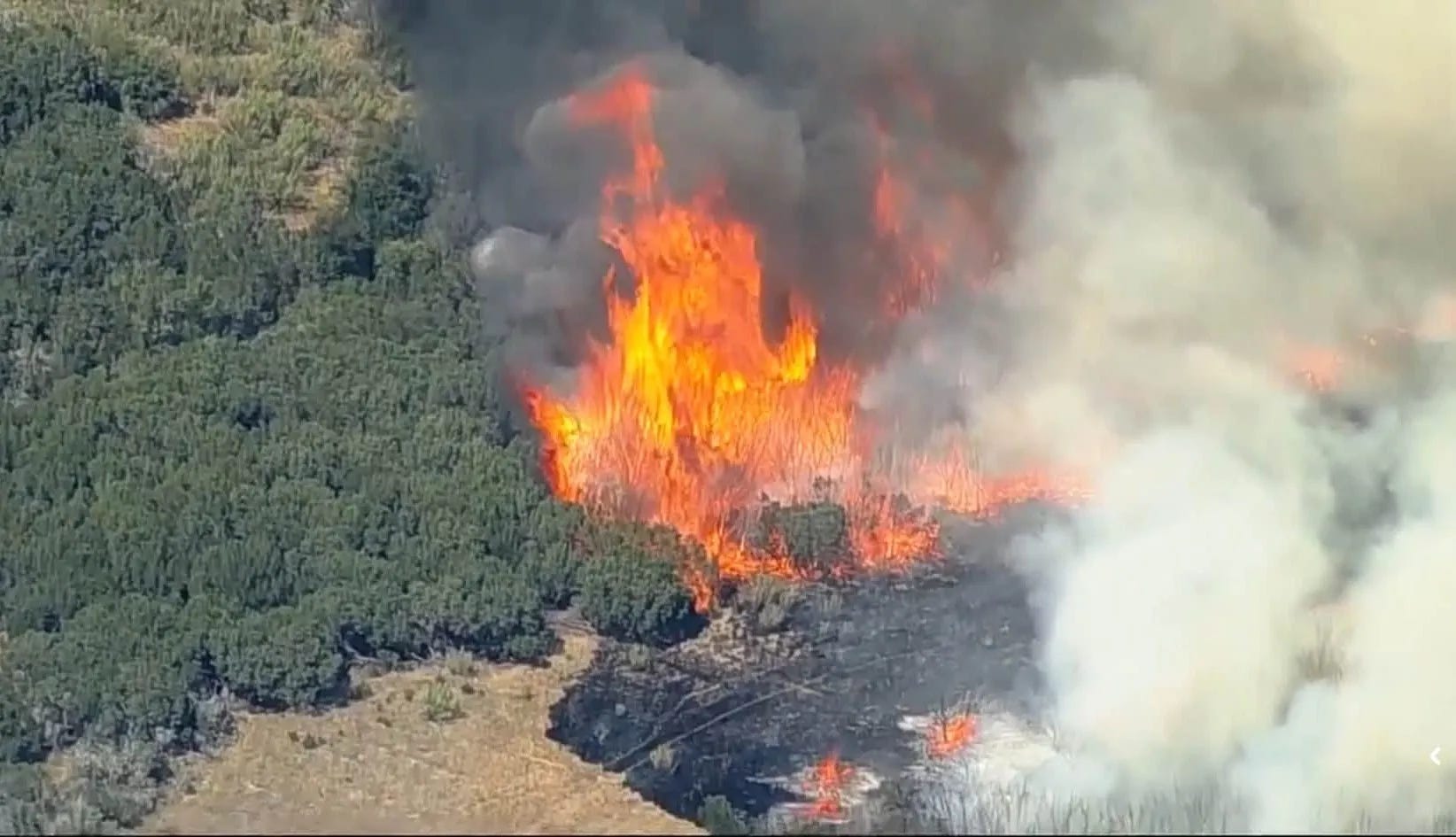
Another source of pollution is compounding the problem: abandoned mine fires that have increased along with the rise in wildfires. Federal officials warn that they can "release soot, toxic vapors and metals like mercury, arsenic, and lead into the atmosphere.” These fires can go unnoticed for years, burning even through winter. A coal mine fire in Colorado burned for nearly two decades before the state could put it out.
Parts of the country are still dealing with drought despite getting more rain, making the fires easier to start and harder to stop. A downpour does not necessarily mean the ground has recovered. When soil becomes extremely dry, water can run across the surface instead of soaking deeply enough to restore soil moisture and groundwater. NOAA warns that extremely dry soils can even become water-repellent, producing “rapid, high-volume runoff.” Water moves through the landscape, but not always being absorbed and stored where it is needed most underground.
The air pollution from wildfires has not been limited to New England, with smoke from the Western wildfires in Oregon and Washington drifting as far as Alabama. Star Alabama reporter Gary Taylor says the smoke stayed mostly above ground level, but he could feel the change in air quality when he stepped outside.
By Cole Albert, Star Connecticut and Gary Taylor